
The Labirinto della Masone, home to the world’s largest maze
Fondazione Franco Maria Ricci
Tel.+39 0521 827081 email: labirinto@francomariaricci.com
https://www.labirintodifrancomariaricci.it/en/
Open daily except Tuesdays, January 1, and December 25 (booking recommended)

Located in Fontanellato, a small town near Parma in northern Italy, the Labirinto della Masone is a privately owned cultural complex that combines a museum with the world’s largest bamboo maze.
Above: the central courtyard of the Labirinto della Masone art center in Fontanellato, Italy. Photo © Riccardo Bianchini / Inexhibit.
History
Also known as the Labirinto di Franco Maria Ricci, the project was conceived by Italian publisher and art collector Franco Maria Ricci (1937–2020). Situated on the outskirts of Fontanellato, about 20 kilometers (12 miles) west of Parma, the labyrinth was inspired by a suggestion Ricci received from the Argentinian writer Jorge Luis Borges in the 1980s.
Opened to the public in 2015, the complex includes several buildings housing the Franco Maria Ricci Foundation, a permanent art gallery, spaces for temporary exhibitions, a café, a restaurant, a library, and venues for meetings and events. At its heart lies the eight‑hectare bamboo maze that gives the center its name.
Architecture
The red‑brick buildings of the Labirinto della Masone were designed by architect Pier Carlo Bontempi. Their style draws clear inspiration from 18th‑century Neoclassical masters such as Étienne‑Louis Boullée and Claude‑Nicolas Ledoux.
Organized around two large porticoed courtyards, the complex also features a panoramic tower and a striking pyramid‑shaped structure, a direct homage to Boullée’s visionary but unbuilt Cenotaph for Turenne.

The architecture of the Labirinto della Masone, designed by Pier Carlo Bontempi, recalls iconic Neoclassical projects such as Boullée’s Cenotaph for Turenne. Photo © Riccardo Bianchini / Inexhibit.
The maze
Designed by landscape architect Davide Dutto, the maze is recognized as the largest of its kind in the world. (Strictly speaking, a maze differs from a labyrinth: a maze has multiple branching paths, while a labyrinth follows a single route.)
Covering 8 hectares (19.7 acres), the maze is composed of approximately 200,000 bamboo plants representing twenty different species. During my visit, several bamboo‑based art installations were also on display within the pathways. Exploring the maze typically takes between one and two hours, depending on how quickly visitors find the exit. In case of emergency, staff can be contacted by phone for assistance.
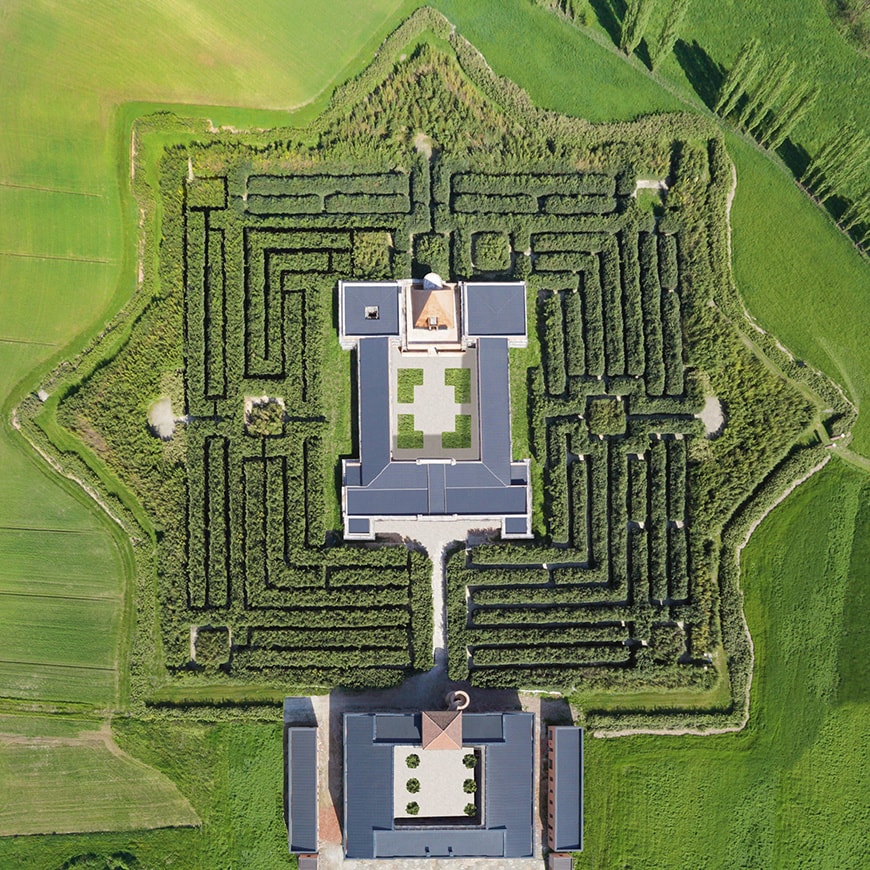
Labirinto della Masone, aerial view; the maze’s footprint echoes Renaissance “ideal city” plans such as Palmanova in northeastern Italy; image courtesy of Fondazione Franco Maria Ricci.
The art museum
The museum houses Franco Maria Ricci’s private collection, displayed on the second floor of the main building. The collection comprises around 500 works – including paintings, sculptures, and decorative arts – dating from the 16th to the 20th century, with particular emphasis on Mannerist, Baroque, and Neoclassical art.

Interior view of the museum. Photo © Riccardo Bianchini / Inexhibit.
Cultural Program
Beyond its permanent displays, the Labirinto della Masone hosts a rich program of temporary exhibitions, conferences, lectures, cooking classes, theatrical performances, concerts, and special events.
Picture gallery
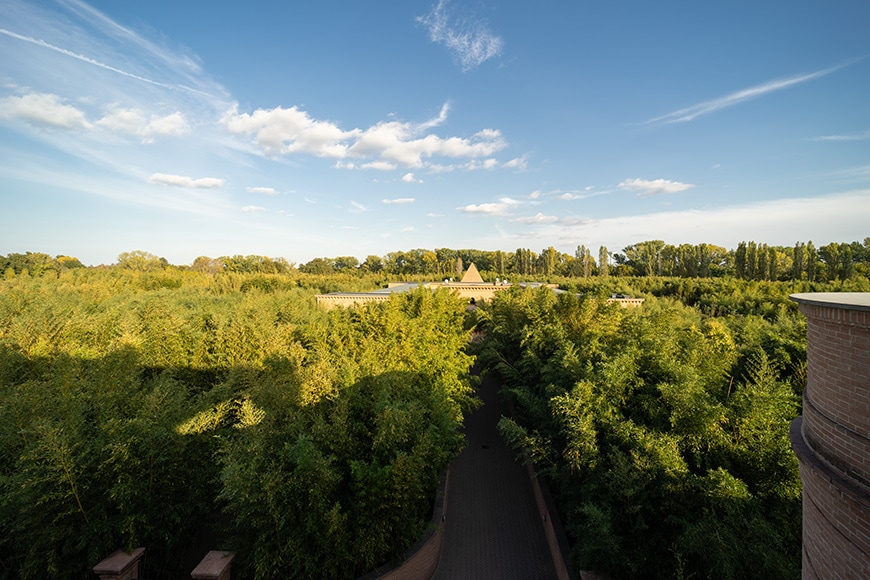
View of the bamboo maze from the panoramic tower; photo © Riccardo Bianchini / Inexhibit.

The maze’s paths extend a total of 3 km (1.9 mi). Photo © Federica Lusiardi/ Inexhibit.
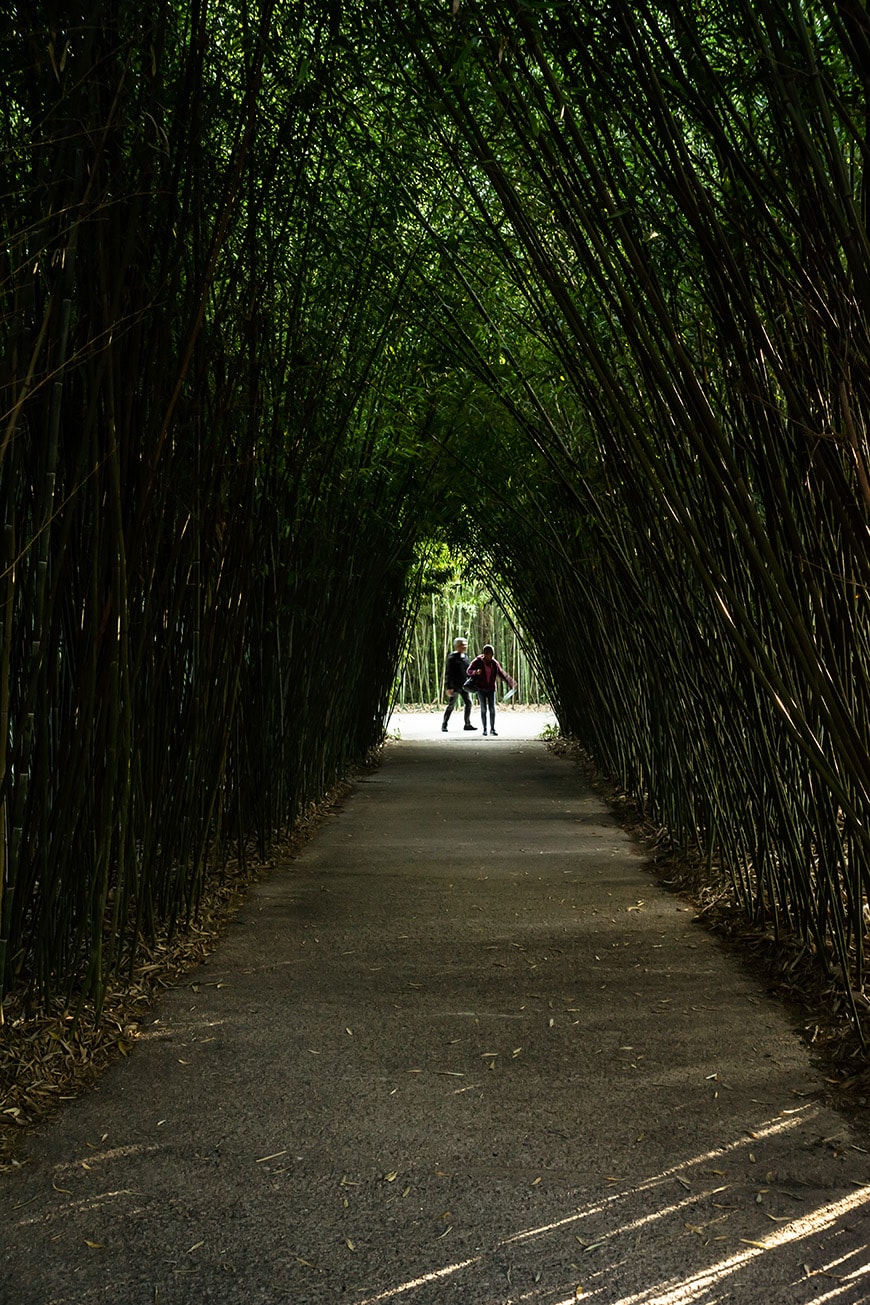
The labyrinth features twenty bamboo species, including Phyllostachys vivax ‘Aureocaulis,’ a giant variety that grows up to 15 m (49 ft). Photo © Riccardo Bianchini / Inexhibit.
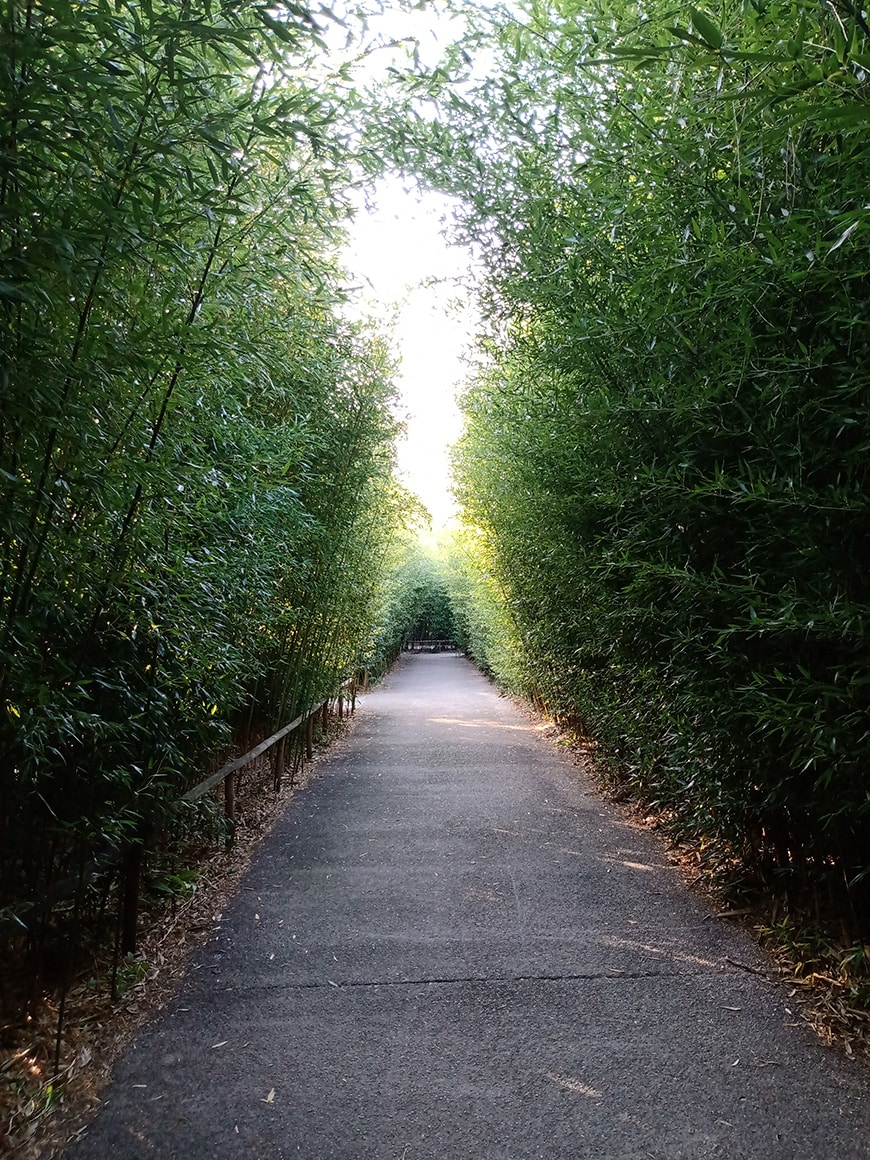
On average, it takes about an hour and a half to make your way through the maze. Photo © Federica Lusiardi/ Inexhibit.
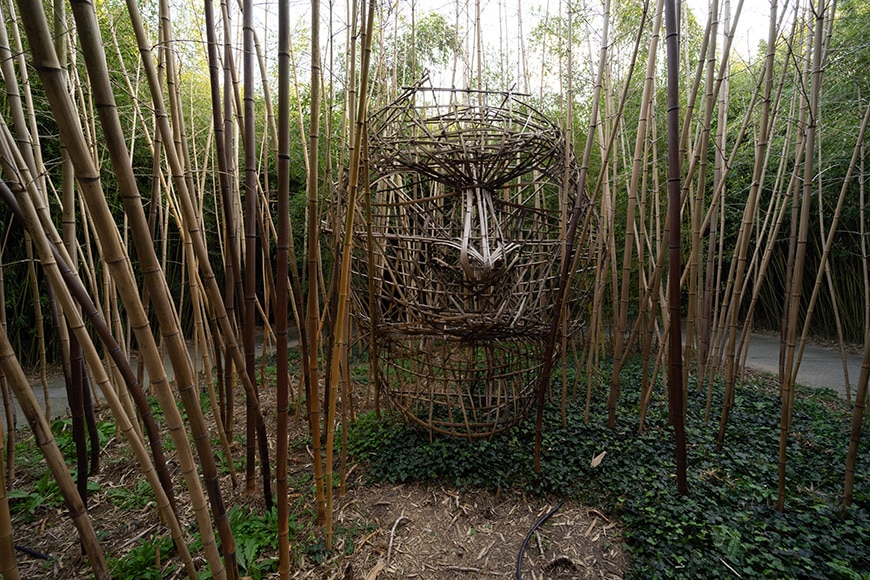
A bamboo sculpture by French artist Fred Martin; photo © Riccardo Bianchini / Inexhibit.

The sculptural installation “Interlocked” by artist Gunjan Tyagi; photo © Riccardo Bianchini / Inexhibit.
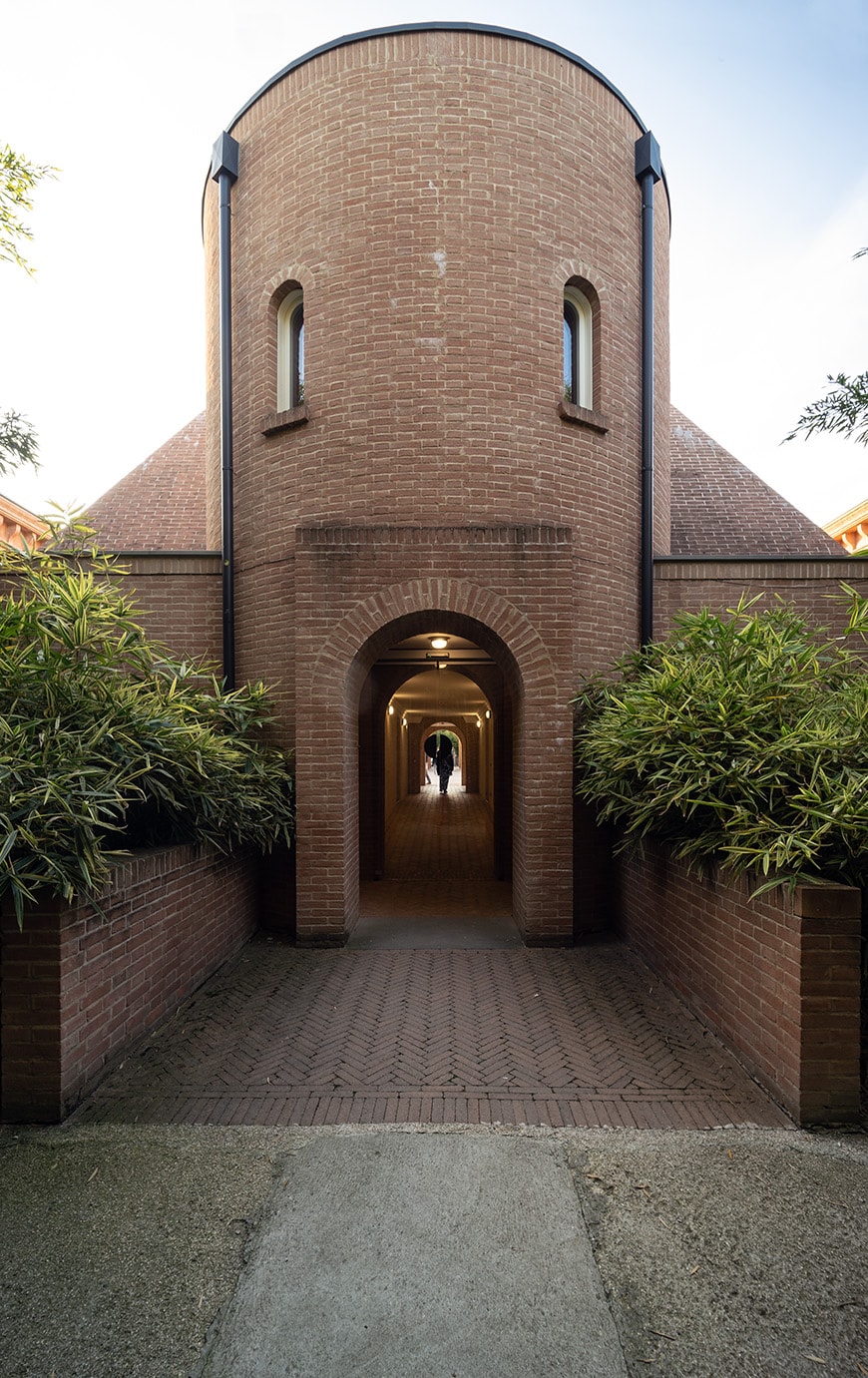
The exit of the labyrinth; photo © Riccardo Bianchini / Inexhibit.

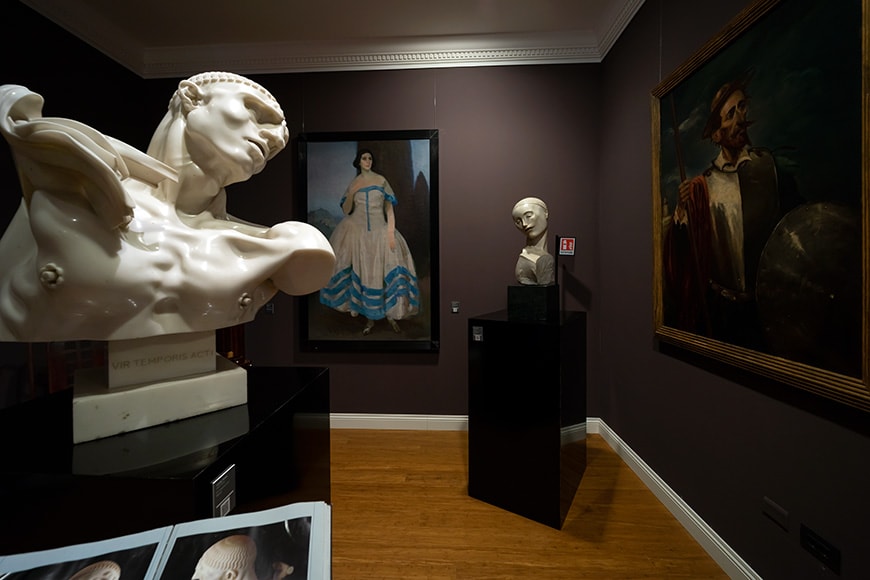
Two rooms of the art museum; photos © Riccardo Bianchini / Inexhibit.
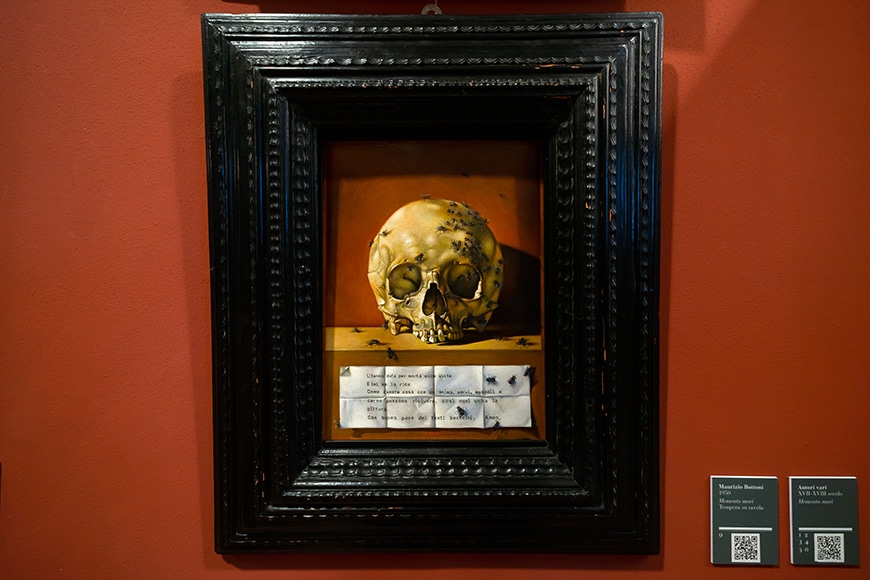
Maurizio Bottoni, Memento Mori (Vanitas), 1950.

A room with portraits by Tullio Pericoli of renowned international writers (left), and publications by Franco Maria Ricci (right), including numerous issues of the bi‑monthly art magazine FMR; photo © Riccardo Bianchini / Inexhibit.
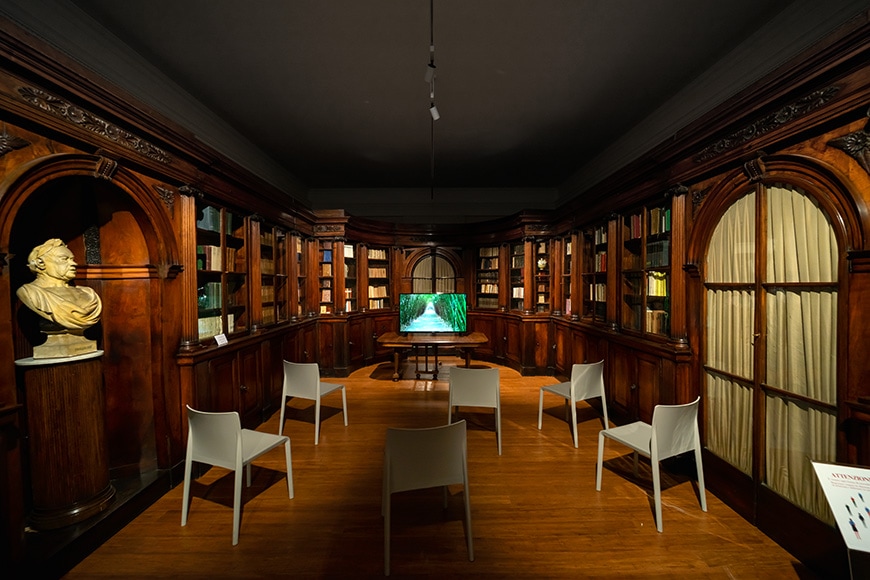
The “Sala Calvino” meeting room houses a wooden library designed by neoclassical architect Rodolfo Vantini in 1844. Photo © Riccardo Bianchini / Inexhibit.
copyright Inexhibit 2026 - ISSN: 2283-5474
